Ever wondered why your pet’s breath smells like a mix of tuna and regret? It might not just be their diet—poor dental hygiene could be the culprit. Enter: dental toy activity. Yes, toys aren’t just for fun anymore—they’re tools for your furry friend‘s long-term health. In this guide, we’ll unpack how these magical chewables can save your pet’s teeth (and your nose). You’ll learn about choosing the right toys, using them effectively, and even hear a few boneheaded mistakes I’ve made along the way.
Table of Contents
- Key Takeaways
- The Importance of Dental Toys in Pet Care
- Choosing the Perfect Dental Toy
- How to Use Dental Toy Activity Effectively
- Pro Tips for A Healthier Smile
- Case Study: Success Stories from Pet Owners
- FAQs About Dental Toy Activity
Key Takeaways
- Dental toy activity is vital for reducing plaque buildup and preventing gum disease in pets.
- Not all toys are created equal; material, size, and durability matter.
- Consistency and supervised play are crucial for ensuring safety and effectiveness.
What’s the Deal with Dental Toy Activity?
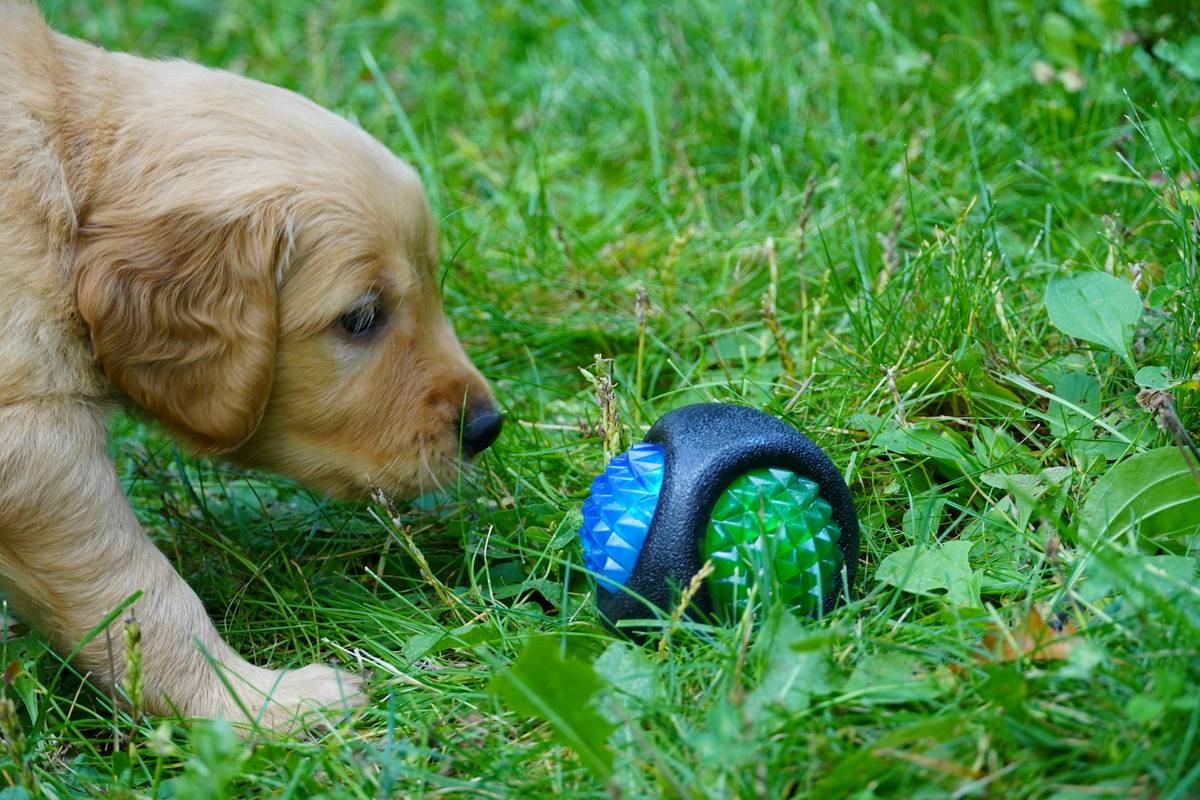
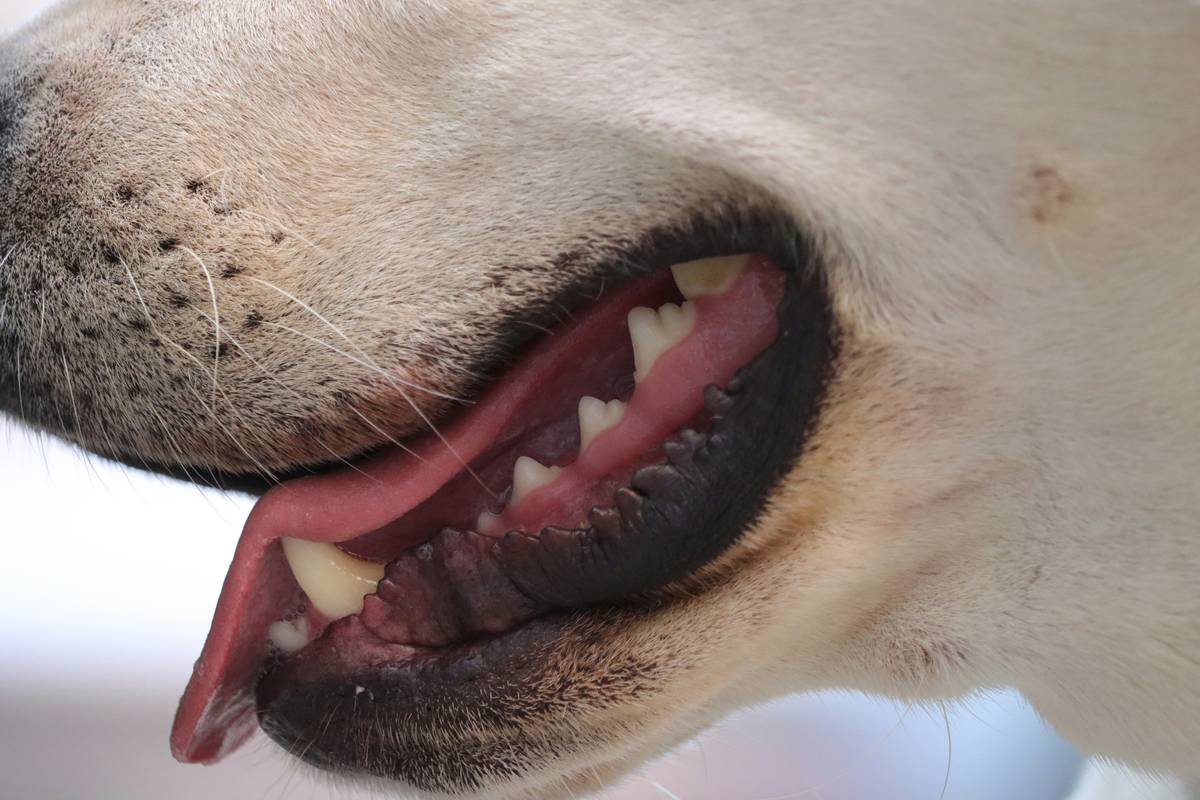
Pet owners often overlook oral health until it’s too late. Did you know that 80% of dogs over three years old suffer from some form of periodontal disease? Yikes. Without proper care, bacteria can wreak havoc on their gums, leading to pain, infections, and expensive vet bills. That’s where dental toy activity steps in. These toys are designed to scrub away tartar while keeping your pooch entertained. Bonus: no more awkward sniff tests during cuddle time!
Confessional Fail:
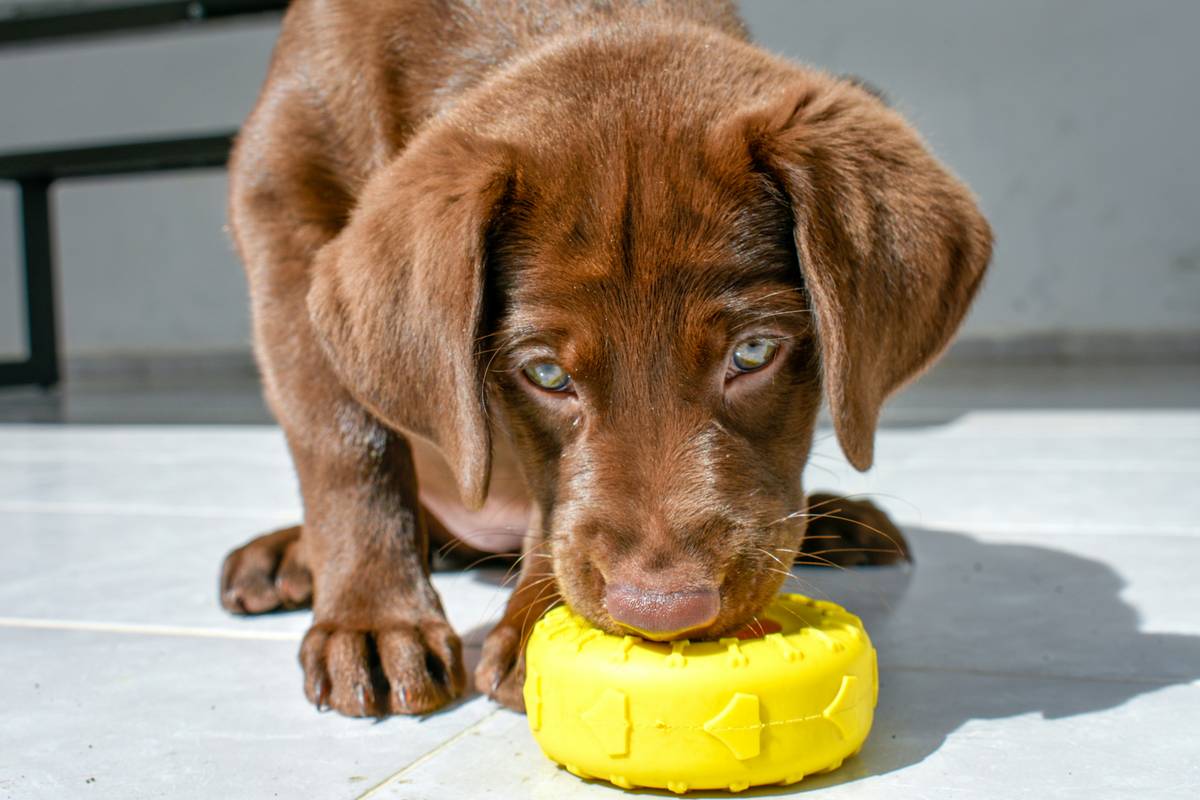
I once bought my Labrador a super cheap rubber chew toy thinking it would last forever. Within an hour, she had chewed off half of it, leaving tiny bits scattered across my living room floor. Lesson learned: skimping on quality doesn’t pay off when it comes to pet products.
Rant Alert:
“Oh, but Fido loves his squeaky plush toy!” Sure, he does—but unless it’s specifically engineered for dental cleaning, it’s doing squat for his teeth. Stop fooling yourself into thinking any old toy counts as part of a “dental routine.” Invest in purpose-built tools—your wallet will thank you later.
How Do You Choose the Right Dental Toy?
Choosing the perfect dental toy isn’t rocket science, but it requires thoughtfulness:
Optimist You:
“This process sounds easy enough!”
Grumpy You:
“Ugh, fine—but only if coffee’s involved.” Here’s what to consider:
- Size Matters: Too small, and your dog might swallow it whole. Too large, and it becomes useless. Aim for something proportional to their mouth size.
- Durability Rules: If your pet is an aggressive chewer, go for tougher materials like nylon or hard rubber. Flimsy plastics won’t cut it.
- Safety First: Look for non-toxic materials free of harmful chemicals like BPA or phthalates. Your pet deserves better than questionable ingredients.
Using Dental Toy Activity the Right Way
Simply tossing a dental toy at your pet isn’t going to work miracles. Follow these steps:
- Introduce Gradually: Let them get used to the texture and feel before expecting immediate chewing action.
- Supervise Playtime: Always keep an eye out for potential choking hazards or excessive wear.
- Set Time Limits: Limit sessions to avoid jaw fatigue or boredom. Think 15–20 minutes max per session.
Terrrible Tip Disclaimer:
NEVER leave dental toys in your pet’s crate overnight. While they may seem sturdy, prolonged unsupervised chewing increases the risk of breakage or swallowing small parts. Trust me, midnight ER trips aren’t fun.
Pro Tips for Maximizing Benefits
- Combine with Brushing: No amount of chewing can fully replace brushing. Pair dental toy activity with regular toothbrushing for optimal results.
- Variety Keeps Them Engaged: Rotate through different shapes and textures to prevent boredom.
- Reward Progress: Celebrate milestones by upgrading to higher-quality toys or treats.
Real-Life Wins from Happy Pet Parents
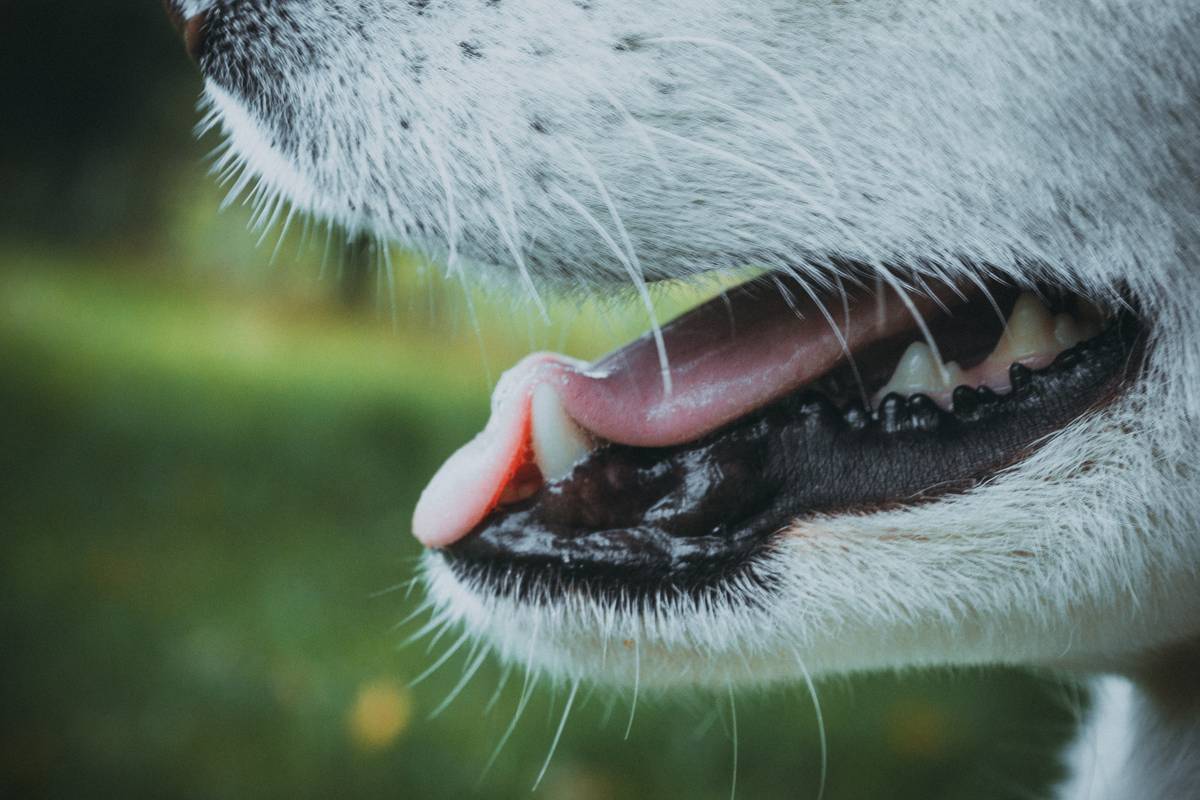
Meet Sarah, whose pug was plagued by constant bad breath and inflamed gums. After switching to daily dental toy activity alongside professional cleanings, her pup’s oral health improved dramatically within weeks. “It’s like night and day,” she says. “Now I enjoy kisses without holding my nose.”
Frequently Asked Questions
- Q: How often should I introduce new dental toys?
- A: Every 2–3 months, depending on wear and tear.
- Q: Can cats benefit from dental toy activity too?
- A: Absolutely! There are specialized options tailored for felines.
- Q: Are there risks associated with dental toys?
- A: Minimal, as long as you choose safe materials and supervise usage closely.
Conclusion
Incorporating dental toy activity into your pet’s routine isn’t just smart—it’s essential. From improving oral hygiene to saving money on future vet visits, these simple tools make a world of difference. So grab a cup of coffee (because adulting), pick up a high-quality dental toy, and watch your fur baby thrive.
Like a Tamagotchi, your SEO needs daily care. Keep those posts fresh and engaging!