Ever bought a fancy dental toy for your pup, only to find it shredded in less than five minutes? Yeah, us too. If you’ve ever wondered how to protect pet toys while keeping them fun and functional, you’re not alone. According to a study by the American Pet Products Association, over 60% of dog owners purchase chew toys regularly—but durability remains a constant struggle.
In this guide, we’ll explore everything you need to know about pet toy protection. From choosing durable dental toys to implementing clever storage strategies, you’ll be equipped with actionable tips to extend your pet’s playtime safely. Buckle up—here’s what we’ll cover:
Table of Contents
- Why Dental Toys Matter (And Why They Fail)
- Step-by-Step Guide to Protecting Pet Toys
- Top Tips for Maximizing Toy Longevity
- Real-Life Examples of Durable Dental Toys
- FAQs About Pet Toy Protection
Key Takeaways
- Investing in high-quality, durable materials is critical for pet toy protection.
- Supervision during playtime minimizes damage and ensures safety.
- Storage solutions help keep toys organized and prolong their lifespan.
- Dental toys aren’t just about fun—they boost oral health too.
Why Dental Toys Matter (And Why They Fail)
“Dental toys sound like a win-win,” said Optimist Me once upon a time. Then came Grumpy Reality: my dog shredded a $30 dental chewer faster than I could spell “refund.” Turns out, durability isn’t always guaranteed—even when brands promise otherwise.
Pet dental toys serve dual purposes: entertainment and hygiene. Properly designed ones scrape plaque off teeth, reducing tartar buildup and preventing bad breath. However, poorly made options pose serious risks: sharp edges from broken toys can injure gums or worse, get swallowed.
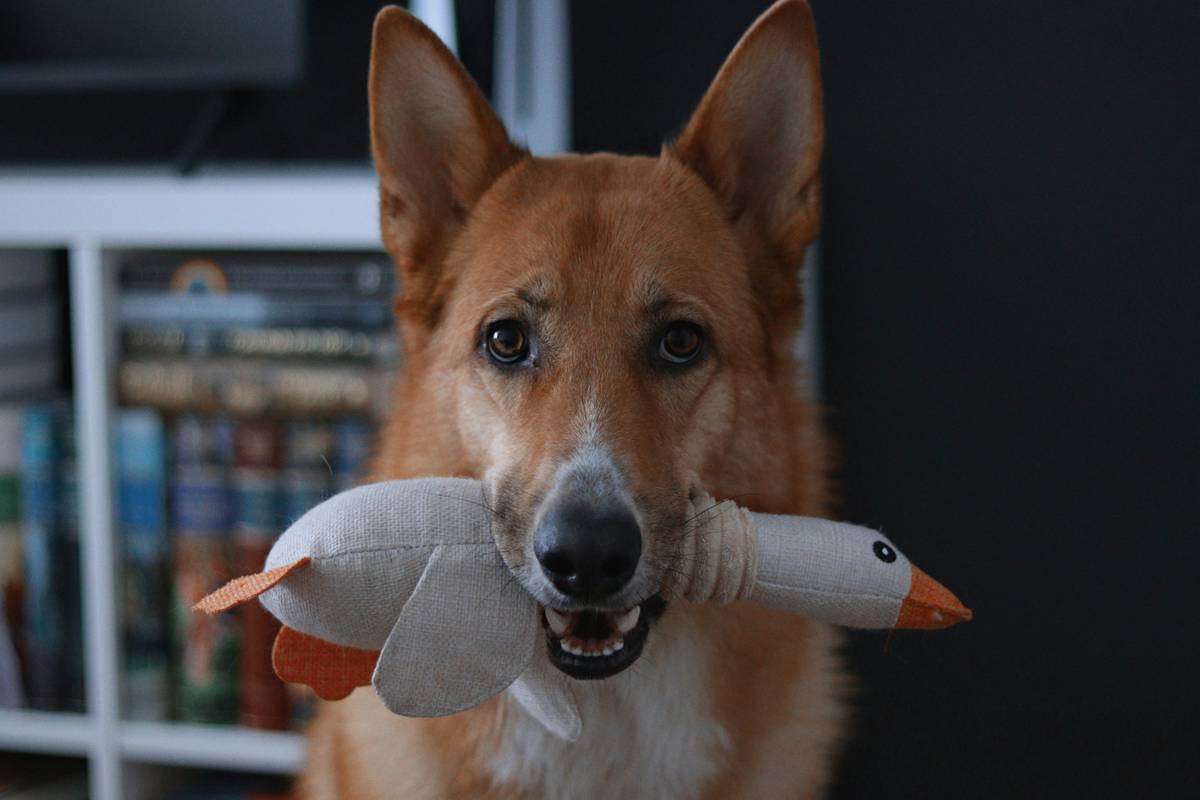
(Fig. 1: A happy pup engaged with a sturdy dental toy.)
Step-by-Step Guide to Protecting Pet Toys
Step 1: Choose Toys Designed for Durability
Optimist You: “Let’s grab that colorful plushie!”
Grumpy You: *facepalms* — No, no, NO! Plushies are NOT built for aggressive chewers.
Instead, look for FDA-approved rubber or nylon-based toys labeled as indestructible. Check reviews before purchasing; real-life feedback often reveals how well products stand up to tough chewers.
Step 2: Rotate Toys to Prevent Boredom (and Destruction)
Mix things up! Dogs thrive on novelty—if they see the same toy every day, they may try harder to destroy it out of boredom. Keep some toys tucked away, rotating them weekly to maintain interest.
Step 3: Supervise Playtime Like a Helicopter Parent
No matter how indestructible a toy claims to be, nothing beats vigilance. Monitor your pet closely during play sessions to catch signs of wear early. Remove any item showing cracks or loose parts immediately.
Top Tips for Maximizing Toy Longevity
- Clean Regularly: Dirty toys harbor bacteria. Wash rubber toys with mild soap and water at least once a week.
- Avoid Cheap Knockoffs: Terrible tip alert: buying knockoffs saves money…until your pup swallows a piece. Always prioritize quality over cost.
- Store Smartly: Use bins or baskets to organize toys. Not only does this save space but also reduces clutter.
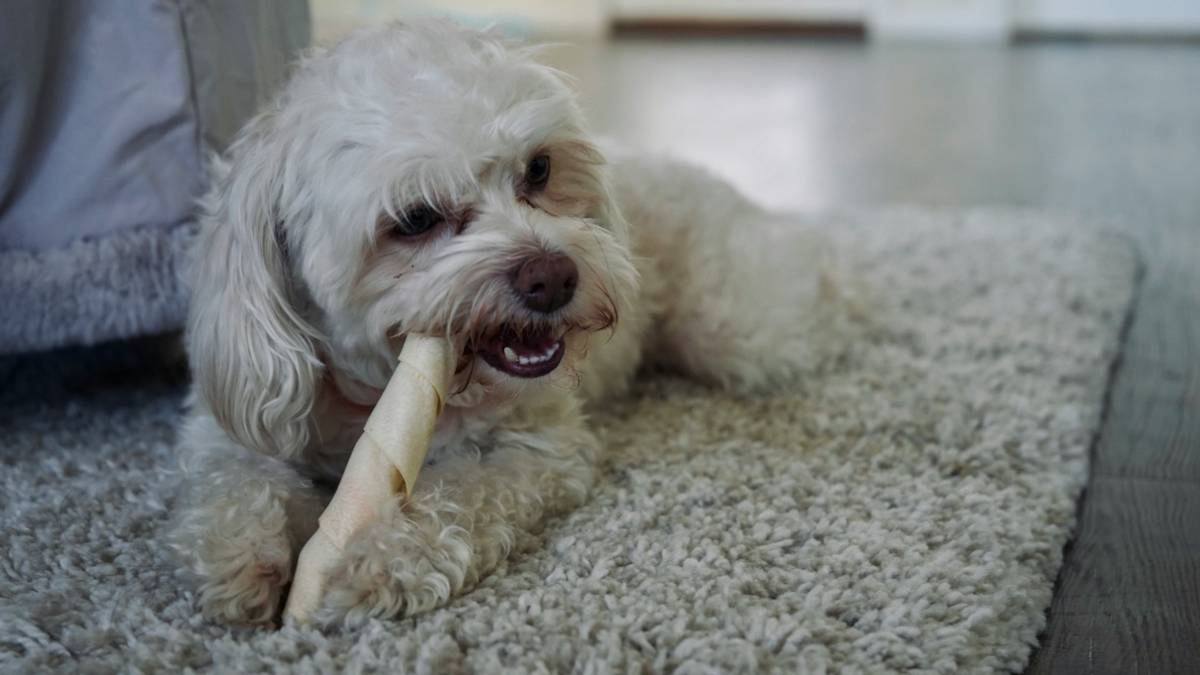
(Fig. 2: A tidy pet toy bin keeps both toys and humans happy.)
Real-Life Examples of Durable Dental Toys
Rant time: Nothing makes me angrier than brands selling “indestructible” toys that crumble within hours. Thankfully, there are exceptions:
- Kong Extreme: Rubber chew toy built for heavy chewers. Owners rave about its longevity and ability to double as a treat dispenser.
- Nylabone Power Chew: A top pick among vets due to its textured surface, which cleans teeth while standing up to gnawing jaws.
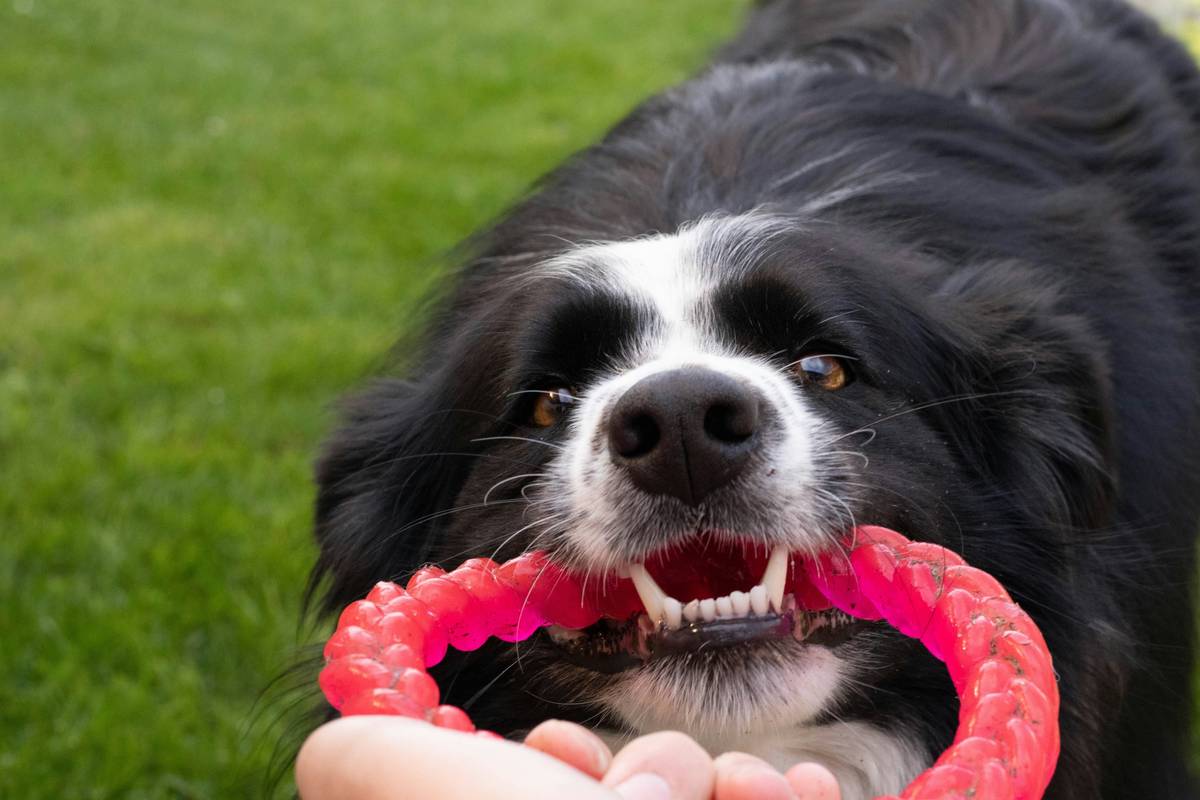
(Fig. 3: The iconic Kong Extreme withstands even the toughest chewers.)
FAQs About Pet Toy Protection
Q: What should I do if my dog destroys all its toys?
A: First, identify whether destructive behavior stems from boredom or anxiety. Ensure adequate exercise and consider consulting a trainer or vet for advice tailored to your pet.
Q: Are homemade pet toys safe?
A: While DIY toys might seem charming, proceed with caution. Many common household items pose choking hazards. Stick to vet-recommended recipes or pre-made options instead.
Q: Can licking hurt dental toys?
A: Generally no, unless saliva traps food particles inside grooves without proper cleaning. Regular washing prevents odors and bacterial growth.
Conclusion
Protecting pet toys doesn’t have to feel like an uphill battle. By investing in durable designs, practicing smart storage habits, and staying vigilant during playtime, you’ll give your furry friend endless hours of safe enjoyment. Remember, durable dental toys aren’t just accessories—they’re tools promoting better health through cleaner smiles!
Like a Tamagotchi, your SEO needs daily care.
Haiku:
Rubber balls last long,
Plushies fade too quickly—
Chew wisely, dear pup.