Have you ever found yourself frantically googling “is this toy safe for my dog?” after your pup enthusiastically chews through their newest dental toy? You’re not alone. Many pet parents struggle to find toys that are both fun *and* safe, especially when it comes to dental toys designed to clean teeth while entertaining. But here’s a scary fact: over 90% of dogs and cats will experience some form of dental disease by age three.
The good news? Properly chosen dental toys can help combat this issue—but only if they follow the dental toy safety rule. In this post, we’ll cover everything from recognizing unsafe materials to understanding size guidelines so you can confidently pick the best options for Fido or Fluffy. By the end, you’ll be armed with actionable steps, quirky tips, and even a hilarious rant about chew toys gone wrong.
Table of Contents
- Why Dental Toy Safety Matters
- How to Choose Safe Dental Toys
- Top Tips for Using Dental Toys Safely
- Real-Life Success Stories
- Frequently Asked Questions
Key Takeaways
- Pets need dental care just as much as humans do—and the right toys make all the difference.
- Understand the dental toy safety rule: material, size, and durability matter most.
- Avoid small parts, toxic materials, and overly hard textures that could harm your pet’s teeth or digestive system.
- Regular inspection of worn-out toys is crucial for preventing choking hazards.
Why Dental Toy Safety Matters
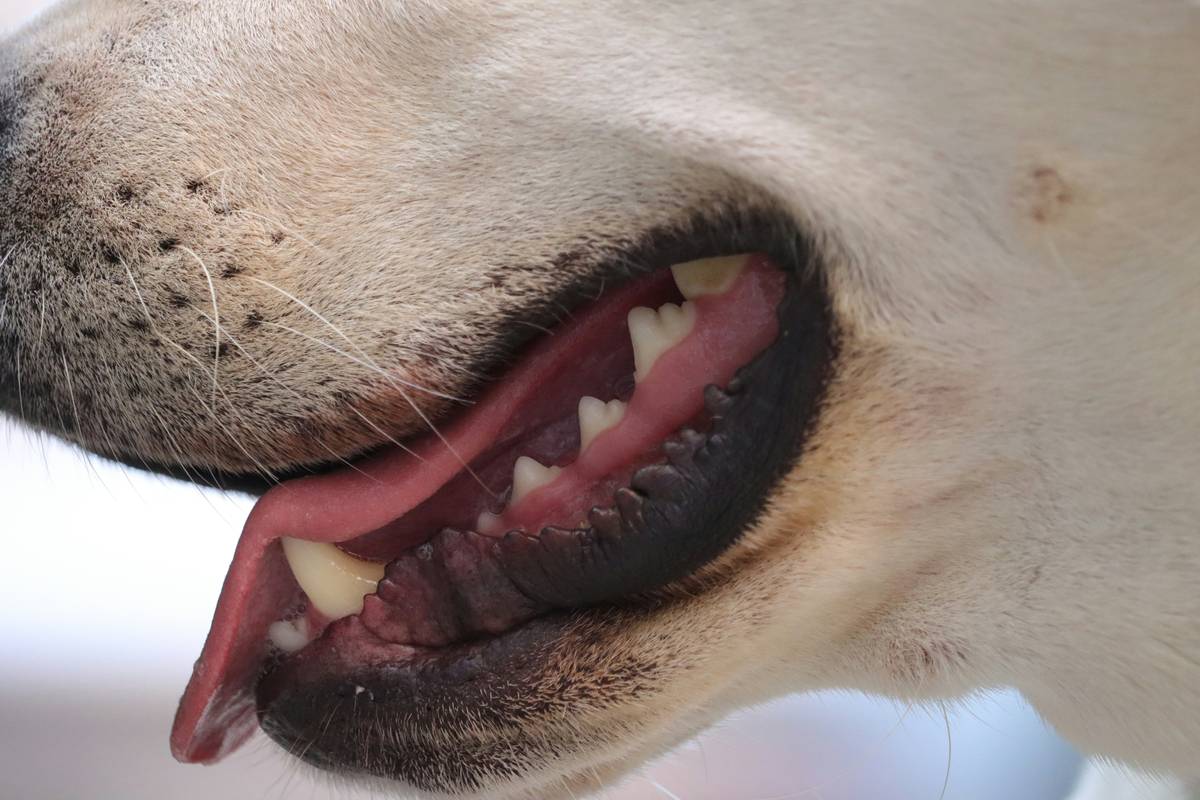
Pet dental care isn’t optional—it’s essential. Imagine your morning routine without brushing your teeth. Gross, right? Now imagine eating crunchy kibble every day without any way to remove plaque buildup. That’s life for many pets unless we intervene.
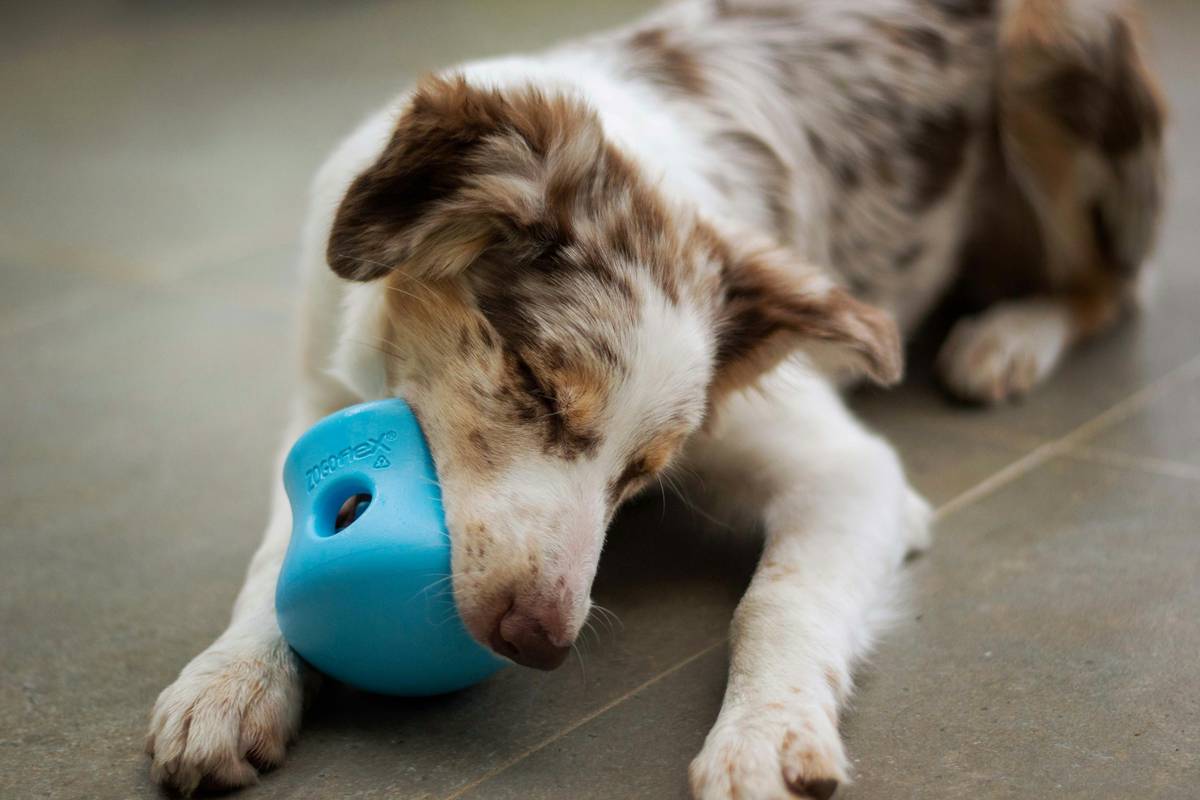
Dental toys offer a practical solution, but they must adhere to safety standards. I once bought what seemed like a “tough” chew toy only to discover my Labrador had swallowed half of it within minutes. Not chef’s kiss. It turned out the product didn’t meet proper testing protocols for breakage resistance—a mistake no one should repeat.
The Grumpy Optimist Dialogue
Optimist You: “Dental toys sound amazing—they clean AND entertain!”
Grumpy You: “Sure, but if you don’t choose wisely, you might spend more time at the vet than playing fetch.”
How to Choose Safe Dental Toys
Step 1: Know Your Pet’s Size and Strength
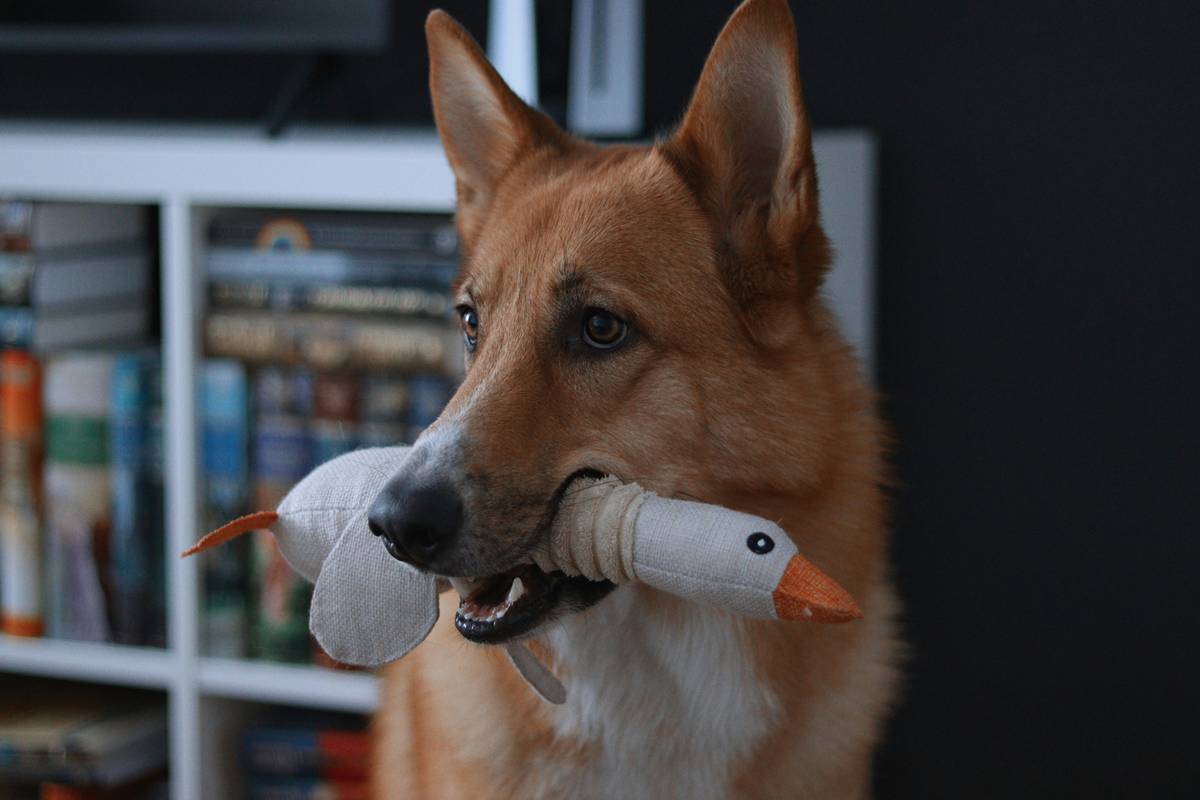
Dogs and cats come in all shapes and sizes, and their toy preferences reflect that. A Chihuahua won’t handle the same type of dental toy as a Great Dane. Always check the manufacturer’s size recommendations, and err on the side of caution if unsure.
Step 2: Check Material Composition
Look for non-toxic, BPA-free materials. Avoid toys made from latex, PVC, or anything vaguely labeled as “plastic.” Natural rubber and nylon tend to work well because they’re durable yet gentle enough for gum stimulation.
Step 3: Prioritize Durability Over Looks
We’ve all fallen for cute designs, but aesthetics mean nothing if the toy breaks apart easily. Opt for items explicitly marketed as “indestructible” or vet-recommended. Bonus points if they’re dishwasher-safe for easy cleaning!
Top Tips for Using Dental Toys Safely
- Supervise Playtime: Especially during the first few sessions, keep an eye on your furry friend to ensure they aren’t swallowing pieces.
- Rotate Toys Regularly: Rotate between different types to prevent boredom and encourage variety in jaw movement.
- Inspect Frequently: Look for cracks, tears, or signs of wear that could pose a hazard.
Rant Time: Why Cheap Chew Toys Are Terrible
Okay, let me get something off my chest. Have you seen those bargain-bin toys sold in bulk packs? They’re disasters waiting to happen! Thin plastic shards and squeakers that fall apart faster than my patience trying to assemble IKEA furniture. Please, invest in quality—your wallet (and your pet) will thank you later.
Real-Life Success Stories
Meet Bailey, a Golden Retriever whose owner switched to high-quality dental toys following a costly dental surgery. Within months, her tartar buildup decreased significantly, saving thousands in future bills. Or take Whiskers, the Persian cat who went from refusing treats to obsessively gnawing on a soft-textured dental ring—his breath smells fresher now!
Frequently Asked Questions
Q: Can dental toys replace professional cleanings?
Nope. While dental toys reduce plaque accumulation, annual check-ups remain vital for comprehensive care.
Q: What happens if my dog swallows part of a toy?
Contact your vet immediately. Small fragments may pass naturally, but larger ones require X-rays to avoid intestinal blockages.
Q: Are homemade dental toys safe?
Sometimes yes, sometimes no. DIY options lack rigorous safety testing, so tread carefully. Stick to recipes recommended by veterinarians.
Conclusion
Navigating the world of pet dental toys doesn’t have to feel overwhelming. Armed with the dental toy safety rule, you can confidently shop for products that promote oral hygiene and endless fun. Remember to prioritize material quality, size suitability, and regular inspections to keep tails wagging safely.
So next time you see those adorable puppy eyes begging for a new toy, channel your inner detective and ask: Does it pass the dental toy safety rule? Because happy pets deserve happy smiles.
Like Pac-Man munching pellets, your pet deserves top-tier dental toys—not cheap knockoffs. 🐾